Market Supper: Letting the Best Ingredients Decide Dinner
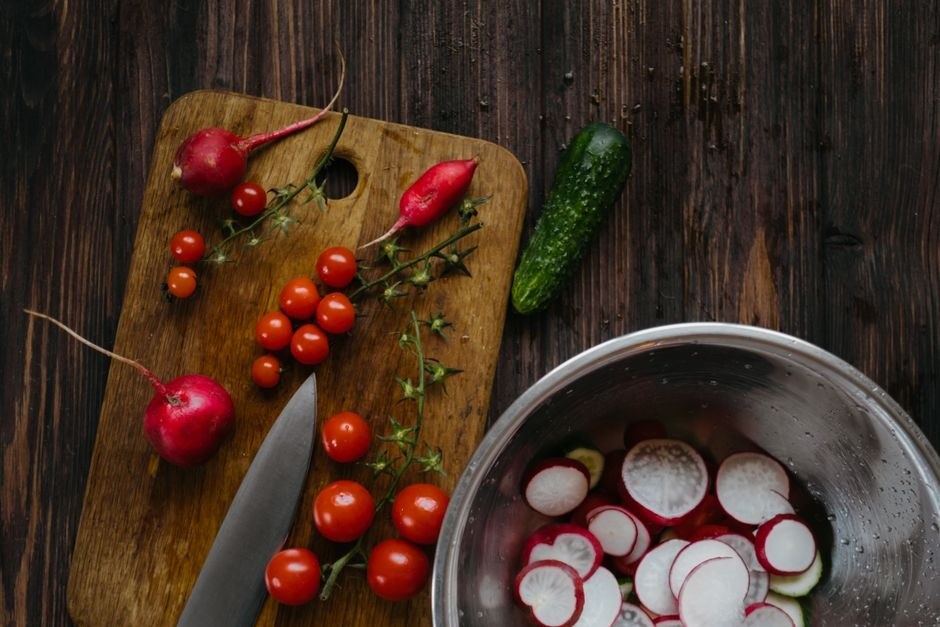
There are evenings when a recipe is exactly what you need: a clear plan, a measured list, and a reliable result. A market supper works in the opposite direction. You begin with what looks good—the tomatoes that smell properly ripe, a bunch of herbs with crisp leaves, a loaf still warm from the bakery—and allow those ingredients to decide what dinner becomes.
This style of cooking is less about improvising brilliantly and more about keeping the structure simple. One or two excellent ingredients can carry a meal if the rest of the plate stays calm.
Begin with the ingredient that has the most personality
At a market, the most interesting purchase is often obvious. It may be a basket of mushrooms, late-summer peppers, small potatoes with thin skins, or radishes with bright green tops. Choose one thing that feels especially fresh and make it the center of the meal.
From there, think in supporting roles. Tomatoes might want good bread, soft cheese, and basil. Mushrooms might pair with eggs and toast. Potatoes can become the base for a warm salad with herbs and a sharp dressing. The goal is not to collect many ingredients; it is to give the best one enough space to taste like itself.
Use a familiar cooking method
Spontaneous shopping is easier when the cooking method is not spontaneous. Roasting, sautéing, simmering, and assembling a big salad are dependable techniques that can absorb many different ingredients. If you already know how a tray of vegetables behaves in your oven, you do not need a recipe every time the vegetables change.
A simple pattern helps: something roasted or cooked, something fresh, something creamy or crisp, and an acidic element to lift the whole plate. That could mean roasted carrots, parsley, yogurt, toasted seeds, and lemon. Another night it might be fried zucchini, sliced tomatoes, feta, bread crumbs, and vinegar.
Let bread, grains, or eggs make it a meal
Fresh produce is inspiring, but dinner usually needs a little more weight. This is where inexpensive staples are useful. Bread can turn vegetables into open sandwiches or panzanella. Rice and other grains can take on roasted vegetables and leftover herbs. Eggs can sit on top of almost anything and make the plate feel complete.
Keeping a few flexible staples at home makes market cooking feel relaxed rather than risky. Olive oil, vinegar, mustard, lemons, onions, garlic, a hard cheese, and a jar of something crunchy—nuts, seeds, or breadcrumbs—cover a surprising number of dinners.
Cook enough to create tomorrow’s lunch
A market supper is especially satisfying when part of it changes form the next day. Extra roasted vegetables can go into a sandwich. A spoonful of herb sauce can dress grains. Leftover bread can become croutons. The best leftovers are not identical reheated plates; they are ingredients that have already done some of the work for you.
This also reduces the pressure to judge the quantity perfectly while shopping. If the bunch of carrots is larger than you need, cook them all. Future you will probably be pleased to find them ready in the fridge.
Keep the table uncomplicated
Food chosen for freshness rarely needs elaborate presentation. Put the main dish in the center, add bread or a small salad, and let people serve themselves. A market supper should feel generous and easy, not like a restaurant imitation.
That relaxed mood is part of the appeal. The meal begins before cooking, with the act of looking closely at what is in season and deciding what seems worth carrying home. It ends with a dinner that belongs to that particular day. Next week the stalls will look different, and the same method will produce a different table.
Over time, this way of shopping quietly improves kitchen confidence. You learn which ingredients need very little help, which combinations you return to, and how much dinner can emerge from a few good things treated simply.